How You Can BE A HERO?

Respected Readers and Subscribers,

First Aid to Save a Life Pakistan (FATSAL) is honored to initiate and take lead in honoring the individuals, organizations and businesses that are saving lives and leading the way in first aid. The yearly First Aid Awards by First Aid to Save a Life Pakistan, a registered training center, aim to raise awareness that first aid can be the difference between lives lost and lives saved.

First Aid to Save a Life! Pakistan is a training and consultancy company. Our trainers are approved by MEDIC First Aid International and are entrusted by many of the leading organizations to train and retrain their workforce. First Aid to Save a Life! Pakistan is driven by strong management commitment.

Everyone likes to think they are different. We are the same but let me assure you its not just talk. Frankly we try much harder to offer a more attentive, imaginative and enhanced experience and credible learning experiences. Our First Aid Awards is another initiative to recognize and honouring first aid role models committed to saving lives and leading the way in first aid.

Most people don’t realise how important first aid is – and what can happen when the people who need it don’t get it. We should ask ourselves if I am not going to stop for help then who would be? And what if I have to give help to someone very close to my heart (family), relative or neighbor!

The awards are open to all, regardless of whether you have had first aid training with First Aid to Save a Life Pakistan (FATSAL) or another provider. This award is to recognize the first aiders and not the pick and choose of first aider from training providers. We welcome applications from individuals, businesses, public sector organisations, and many more.

First Aid Awards has two main categories:

Awards for individuals; &

Awards for organizations.

The FATSAL First Aid Awards celebrate first aid successes, and we’re encouraging everyone to get involved. Whether you’re an individual, a business that cares about your employees and committed to first aid, these awards are for you.

Join us to

  • Gain public recognition for your heroism and commitment;
  • Enjoy the incredible atmosphere and experience at the First Aid Awards ceremony with the supporters of the awards and other deserving nominees; &
  • Raise the profile of first aid, and inspire others to be the difference.

The deadline for 2012 entries is Dec 31, 2012.

Kindly visit our “First Aid Awards” page to see more details about the Awards and how you can participate.

To Y(our) Health, Safety and Prosperity,

Faisal Javed Mir & First Aid to Save a Life Pakistan

Did you like the post? Let’s get connected on FacebookLinkedInTwitter & YouTube.

You might also like:
Posted in First Aid Awards | Tagged , , , , , , , , , , , , , , , , , , , , | Leave a comment

Did You Know About DISCOUNT OFFER on Upcoming Courses?

Respected All,

First Aid to Save a Life (FATSAL) Pakistan is pleased to announce discount on their upcoming internationally accredited practical training courses announced for Islamabad, Lahore, Karachi, Peshawar and Multan. This discount offer is valid from November 2012 till January 2013.

Kindly remember that we have limited seats available in each course so don’t wait for last week and finalized your registration as early possible to get benefit from this one time discount offer.

Kindly visit our upcoming trainings page for more comprehensive details and/or our online registration page.

The list of facilities we offer in our accredited training courses is packed with undisputed and unmatched value addition benefits. Some of them are:

  • Internationally acceptable and accredited trainings in lowest possible prices in Pakistan.
  • Successful participants will receive (individual) successful certificate with 2-years validity card from MEDIC First Aid International.
  • A personal wallet skill guide card which can be used for quick reference/revision.
  • Award-winning, professionally produced videos.
  • Safe and effective first aid response techniques based on G2010 Guidelines for CPR and First Aid.
  • A proven “seeing, hearing, doing, speaking, feeling” approach to learning.
  • 2-professional adult CPR-AED training manikins (with CPR monitor) for realistic experiences and feedback.
  • 1-professional infant CPR-AED training manikin (with CPR monitor) for realistic experiences and feedback.
  • First aid supplies for pure training purposes.
  • We firmly believe your training experience shouldn’t stop at the end of your course. All our delegates get access to 24 months of continuous learning links, information regarding any updates in guidelines, support and advice from our experienced trainers.
  • Quality of education is also maintained in accredited training courses where limited participants are enrolled in one session.
  • Training booklet, wallet card, certificate, lunch and tea are included in course fee.
  • We upload course videos on our YouTube Channel from where you can share your memories and learning experiences with your contacts.
  • And many more reasons.

I am sure you will find above information helpful to decide and understand the difference between First Aid to Save a Life Pakistan and other training providers.

We are looking forward to have your company in our upcoming courses and assure you the quality of education/training in reply to what you pay to us.

To Y(our) Health, Safety and Success,

Faisal Javed Mir & First Aid to Save a Life Pakistan

Did you like the post? Let’s get connected on FacebookLinkedInTwitter & YouTube.

You might also like:
Posted in 1-Day Training Programs, CPR and AED, FATSAL Training Offers, First Aid CPR and AED, First Aid Training Programs, Why choose First Aid to Save a Life | Tagged , , , , , , , , , , , , , , , , , , , , , , , , , , , , , , , , , , , , , , , , , , , , , , , , , , , , , , , , , , , , , , , , , , , , , , , , , , , , , , , , , , , , , , , , , , , , , , , , , , , , , , , , , , , , | Leave a comment

9 different ways to stay healthy.

Respected All,

I would like to mention two of the very common and known quotes to share with you to start this post and will share how important it is in our today’s lifestyle to emphasize or reconsider these.

“Health is Wealth.”

&

“Prevention is better than CURE.”

It is very true because if we are not healthy, we cannot do any work with full energy and enthusiasm which in turn affects badly our wealth creation. So to live a healthy life style, we need to improve our lifestyle.

Here are given some of the tips to enjoy healthier life.

1. Healthy food intake – Eat fruit and vegetables and avoid saturated fat. Beware of processed foods, which often contain high levels of salt.

2. Get active & take heart – Even 30 minutes of activity can help to prevent heart attacks and strokes and your work will benefit too.

3. Say no to tobacco – Your risk of coronary heart disease will be halved within a year and will return to a normal level over time.

4. Maintain a healthy weight – Weight loss, especially together with lowered salt intake, leads to lower blood pressure. High blood pressure is the number one risk factor for stroke and a major factor for approximately half of all heart disease and stroke.

5. Know your numbers – Visit a healthcare professional who can measure your blood pressure, cholesterol and glucose levels, together with waist-to-hip ratio and body mass index (bmi). Once you know your overall risk, you can develop a specific plan of action to improve your heart health.

6. Insist on a smoke-free environment – Demand a tobacco ban – ensure your workplace is 100% smoke-free. Support the adoption of smoking – cessation services encourage your employer to provide help to those wanting to quit tobacco.

7. Bring exercise to the workplace – Include physical activity in your working schedule – cycle to work if this is possible, take the stairs, exercise or go for a walk during your lunch breaks, and encourage others to do so too.

8. Choose healthy food options – Ask for healthy food at your work canteen, or find nearby cafes or restaurants that serve healthy meals

9. Encourage stress-free moments – Whilst stress has not been shown to be a direct risk fact or for heart disease and stroke, it is related to smoking and unhealthy eating, which are risk factors for heart disease.

The above will surely help you to learn how to keep yourself healthy and active and better control over your key numbers.

To Your Health & Safety,

Faisal Javed Mir & First Aid to Save a Life Pakistan

Posted in First Aid CPR and AED | Tagged , , , , , , , , , , , , , , , , , , , , , , , , , , , , , , , , , | Leave a comment

Healthcare and Medical Education Expo 2012

Respected All,

Healthcare and Medical Education Expo 2011 is a two day exhibition with conferences which will be held on October 3rd-4th, 2012, at Lahore Expo Center.

The Healthcare & Medical education EXPO 2012 will provide a unique platform for Hospitals, Medical Colleges, Healthcare Leader, Pharmaceutical Companies, Equipment manufacturers, wholesalers, distributors to meet healthcare industry service providers, consumers, public and private sector decision makers.

Along with the exhibition visitors can also participate in conferences. There are comprehensive, multi-track conferences providing a diverse range of subject topics relating to healthcare in Pakistan. The conferences will have innovative and mutually beneficial programs for all healthcare professionals, attracting a wide cross-section of the medical community ranging from front-line medical staff through to senior-level management, heads of hospitals and Health ministry officials. It will be a unique experience for healthcare professionals to learn, educate, network and focus on issues that are important and relevant to them. Following conferences will be held;

  1. Management and leadership in Healthcare;

  2. NGO’s Healthcare delivery in developing countries;

  3. Family Medicine – Essential Service;

  4. Gynae & OBS – Modern Trends;

  5. Medical education – Under graduate and Post graduate students/faculty  selection and training;

  6. Pharmaceutical Industry – Potential and Growth of International and local companies in Pakistan;

  7. Medical equipment – (Procurement Process, Manufacturing vs Import , SSS);

  8. Private and Public Hospitals – Challenges and Comparison of services – quality vs cost; &

  9. Lab & Radiology Services – Present & Future of Diagnostic Services.

For more details click here to visit the main website.

To Your Health & Safety

Faisal Javed Mir & First Aid to Save a Life Pakistan

Did you like the post? Let’s get connected on FacebookLinkedInTwitter & YouTube.

You might also like:
Posted in Healthcare and Medical Expo, Industrial News, social life and first aid | Tagged , , , , , , , , , , , | Leave a comment

Do you know the name of the best Defibrillator

Respected Readers & Subscribers,

Only the best home (or portable) defibrillators will do when you are trying to protect your health or the health of someone you love. These are very sophisticated (keeping in view their engineering not for their usability) devices that can help normalize the heart rhythm of someone in cardiac arrest.

In the past, you would only find machines like this in a hospital or an ambulance. Now, however, there are home units you can purchase without a prescription, depending on where you live or what you do. Our today’s post explores various features that are necessary for defibrillators to quality as the best.

A home defibrillator is no better than its batteries. Just like in any electronic device, a dead battery means the unit will not work. This is not, however, like a cell phone or a portable CD player, where you have time to recharge or replace the batteries, as someone’s life may be on the line.

Good models will have an internal system that monitors battery strength and other functions. Problems with the battery should be easy to see when you look at the device. Make a point of checking out reviews to see what is said about battery performance, life, and functionality.

When you are researching and shopping for the best home defibrillators, one obvious but important consideration is that there has to be someone nearby to administer the help. A person having a heart problem will most likely not be able to use the machine on himself, so you don’t only need the device, but a person who is able to use it close at hand. It may be necessary to squat or sit on the floor in order to operate the device. Most people will be able to do this, but in some cases, such as elderly couples where both partners are in poor health, this might be an issue. It’s not enough to just buy the device you also need someone nearby who can operate it.

Investigate the warranties that are offered because companies that truly make the best home defibrillators will offer one to show they stand behind their products. You’re making a pretty substantial investment when you purchase this device.

Because of this you need to be confident of the ability to repair or replace the unit in the event that something goes wrong. Different companies offer warranties of various lengths. You need to know that the home defibrillator you purchase is reliable and a good warranty is the manufacturer’s way of letting you know they stand behind their product.

When buying a device like a home defibrillator, it is really worth the effort to get the best. Because this product is designed to save the lives of you or someone you love, you do not want to sacrifice necessary features. Make sure you research all the major brands and see if one has certain features that are especially important to you. Each of these things will help you identify the best defibrillator for your needs.

Now there is one product you will get all mentioned above and many other qualities to give equal value to your investment and that is Defibtech’s AED devices.

See below link to advantages and salient features of Defibtech’s AED devices.

To Your Health & Safety,

Faisal Javed Mir & First Aid to Save a Life Pakistan

Did you like the post? Let’s get connected on FacebookLinkedInTwitter & YouTube.

You might also like:
Posted in AEDs, CPR and AED, Emergencies and Social Media, First Aid CPR and AED | Tagged , , , , , , , , , , , , , , , , , , , , , , , , , , , , , | 2 Comments

Save Million Hearts

Respected All,

Today is September 23 and all of the world is celebrating World Heart Week. All key heart institutes of Pakistan are celebrating this occasion today and First Aid to Save a Life Pakistan is also celebrating this day and have declared this week as World Heart Week and will continue their this community service for public awareness.

This is special post of the week and the only reason is to discuss Million Hearts Campaign on World Heart Day. Million Hearts is an initiative (by USA government and not by Pakistan) to prevent 1 million heart attacks and strokes over the next five years. We can have this sort of campaign in Pakistan but need resources, planning, vision, commitment and support from government, private sector, professionals and civil society to have one such result oriented campaign and we are hopeful that one day we shall be celebrating a very own national level campaign to prevent heart diseases.

Noncommunicable diseases (NCD) are the top cause of death worldwide, killing more than 36 million people in 2008, according to a new report released by the World Health Organization. Cardiovascular diseases were responsible for 48 percent of these deaths, cancers 21 percent, chronic respiratory diseases 12 percent, and diabetes 3 percent.

We can also achieve this goal by encouraging healthy lifestyle choices and also increasing aspirin use among people at risk, blood pressure and cholesterol control, and smoking cessation.

Million Hearts aims to improve heart disease and stroke prevention by:

  • Improving access to effective care.
  • Improving the quality of care.
  • Focusing more clinical attention on heart attack and stroke prevention.
  • Increasing public awareness of how to lead a heart-healthy lifestyle.
  • Increasing the consistent use of high blood pressure and cholesterol medications.

We’re all at risk for heart disease and stroke. People of all ages, genders, races, and ethnicities are affected. Many of the people who are at high risk for heart attack or stroke don’t know it. Talking to your doctor about your heart health and getting your blood pressure and cholesterol checked are important first steps to reduce your risk. Many other lifestyle choices—including eating healthy, exercising regularly, and following your doctor’s instructions about your medications can all help protect your heart.

Preventing 1 million heart attacks and strokes in the next five years will require the work and commitment to change from all of us. There are steps that each of us can take to reach this goal as a nation. Be one in a Million Hearts and see how your actions can make a positive difference. A Million Hearts begins with you.

What Individuals can do?

PREVENT heart disease and stroke in your family by UNDERSTANDING the risks.

GET UP and GET ACTIVE by exercising for 30 minutes on most days of the week.

KNOW your ABCS:

  • Appropriate Aspirin Therapy
  • Blood Pressure Control
  • Cholesterol Control
  • Smoking Cessation

STAY STRONG by eating a heart-healthy diet that is high in fresh fruits and vegetables and low in sodium, saturated and trans fats, and cholesterol.

TAKE CONTROL of your heart health by following your doctor’s instructions for medications and treatment.

What employers can do?

EMPOWER your community by supporting activities that help people access high-quality health care, manage their conditions effectively, get active, eat healthy, and stay smoke-free.

INCREASE awareness of heart disease and stroke and their risk factors to empower your employees to take control of their heart health.

IMPLEMENT smoke-free air policies at worksites to help smokers quit and keep nonsmokers tobacco-free.

SUPPORT efforts to reduce sodium and eliminate trans fats in the food supply, including food served or available at worksites.

To Your Health and Safety,

Faisal Javed Mir & First Aid to Save a Life Pakistan

Did you like the post? Let’s get connected on FacebookLinkedInTwitter & YouTube.

You might also like:

Posted in Advanced First Aid, Basic First Aid, CPR and AED, Dengue Fever, emergency care and first aid, First Aid, First Aid and CPR, First Aid CPR and AED, First aid for Families, First Aid Tips, First Aid Training Programs, UN Annual Events | Tagged , , , , , , , , , , , , , , , , , , , , , , , , , , , , , , , , , , , , , , , , , , , , , , , , , , | Leave a comment

World Heart Day – 2012

Respected All,

Noncommunicable diseases (NCD) are the top cause of death worldwide, killing more than 36 million people in 2008, according to a new report released by the World Health Organization. Cardiovascular diseases were responsible for 48 percent of these deaths, cancers 21 percent, chronic respiratory diseases 12 percent, and diabetes 3 percent.

“This report indicates where each government needs to focus to prevent and treat the four major killers: cancer, heart disease and stroke, lung disease, and diabetes,” said Ala Alwan, M.D., assistant director-general for Noncommunicable Diseases and Mental Health at the World Health Organization.

The report, which provides data gathered from 193 countries, includes information on prevalence, trends in metabolic risk factors (cholesterol, blood pressure, body mass index, and blood sugar) alongside data on the country’s capacity to tackle the diseases.

In 2008, more than nine million of all deaths attributed to NCDs occurred before the age of 60; 90 percent of these “premature” deaths occurred in low- and middle-income countries. One of the findings shows that men and women in low-income countries are around three times more likely to die of NCDs before the age of 60 than in high-income countries.

They also indicate trends for four factors that increase people’s risk of developing these diseases: blood pressure, cholesterol, body mass index and blood sugar over the past 30 years.

Overall, the trends indicate that in many high-income countries, action to reduce blood pressure and cholesterol is having an impact, but there is a need to do more on body mass index and managing diabetes.

The profiles show what countries are doing to tackle noncommunicable diseases in terms of institutional capacity, specified funding, and actions to address the four main diseases and their associated risk factors.

The report also highlights what countries need to do to reduce people’s exposure to risk factors and improve services to prevent and treat noncommunicable diseases.

This report provides all countries with a baseline for monitoring epidemiological trends and assessing the progress they are making to address noncommunicable diseases.

To Your Health and Safety,

Faisal Javed Mir & First Aid to Save a Life Pakistan

Did you like the post? Let’s get connected on FacebookLinkedInTwitter & YouTube.

You might also like:


Posted in First Aid CPR and AED | Tagged , , , , , , , , , , , , , , , , , , , , , , , , , , , , , , , , , , , , , | Leave a comment

What is School and Education Campus Safety Program?

Respected All,

First Aid to Save a Life (FATSAL) Pakistan is pleased to announce their new training program, School and Education Campus Safety Program, to serve our education sector to take pride in managing their schools, colleges, campuses more safely and claiming to have better controls in place to prevent accidents in their premises and better equipped to control if the undesired situations arise.

Let us answer some of the most common questions first to help you understand this initiative and how you can benefit from it.

What is the purpose of this program?

Answer: School/college/university/campus/organization wants to show responsibility by making sure that its campus, facilities, transport facilities, equipment and other services comply with health & safety, environmental and social responsibility imperatives, whether they are:Regulatory: imposed by applicable codes or regulations which condition the “license to operate”,

Proprietary: based on your own schemes, standards, requirements or vision.

With this they has committed to improving their level of preparedness and if they are enlighten with this vision then First Aid to Safe a Life (FATSAL) Pakistan is the only organization in Pakistan who can take them along to achieve this goal.

Our School & Education Campus Safety Program provides a framework designed to:

1) Help Schools, Colleges & Education Campuses become prepared for emergencies;

2) Help increase the level of preparedness among staff, individuals and families; and

3) Encourage Schools, Colleges & Education Campuses to help their students learn basics of emergency preparedness.

What’s different about this one?

Answer: This program does more than provide useful emergency preparedness information. Our training will help you to understand basics of emergency preparedness and approach to identify hazards and take effective and measurable steps to control all risk factors. Additionally, we can provide a number of services to enhance emergency preparedness efforts and support you to maintain compliance over a period of time through continuous and surprise checks.

Can anyone become a member of the program?

Answer: Any school, campus or organization who is committed to improving their emergency preparedness is welcomed and encouraged to join this program.

Why do you think this program will be effective?

Answer: We are experienced to address the important components of preparedness so you can have better control over hidden hazards and manage them efficiently if the need arise. Our program not only provides members with helpful information – it also recognizes members for their efforts.

Why is there a need for this program now?

Answer: Pakistan lack a mindset in safety and if it is true then schools are the best place to go and correct what went wrong and encourage our coming generation to plan ahead and prepare to prevent and if not possible to avoid it then put in place some plans to mitigate. lack a mindset in safety. We can’t let adversity knock on the door to learn what we failed to have plans in place or skilled staff to manage this incident efficiently to avoid losses to human, environment, assets and repute of organization! Can we? The injury and/or loss of life of a child is unbearable pain that parents had to go through. So we have to BE READY to deal with emergencies as they can happen at any time, so there is a constant need to prepare for emergencies.

If you plan for a year, plant a seed. If for ten years , plant a tree. If for hundred years, teach the people.”

We are able to carry out inspections and trainings and establish a systems and processes to manage such risk factors to avoid incidents and prepared for them in advance. First Aid to Save a Life (FATSAL) Pakistan have a comprehensive consultancy and training package for schools and education campus to get your staff trained in emergency management system and skills, this not only includes how to manage developing hazards, fire, earthquake, injury and/or medical illness.

In the meantime, you can always use our email faisal@firstaidtosavealife.com if you queries or call +92 345 5656307 / 0333 5103798 to find out more about our training and consultancy services or getting the equipment you need.

To Your Health, Safety & Prosperity;

Faisal Javed Mir & First Aid to Save a Life Pakistan

Did you like the post? Let’s get connected on FacebookLinkedInTwitter & YouTube.

You might also like:



Posted in School & Education Campus Safety | Tagged , , , , , , , , , , , , , , , , , , , , , , , , , , , , , , | 2 Comments

OHSAS 18001 – Consultancy and Certification Services

Respected All,

As promised with you at the start of First Aid to Save a Life (FATSAL) Pakistan that we are committed to excellence in everything we seek to do and deliver what is needed and/or expected by market and our customers. Here we are today presenting the launch of our new consultancy service, OHSAS 18001. Let me give you brief of our OHSAS 18001 consultancy service.

Introduction of OHSAS 18001:

Although OHSAS 18001 is not our (Pakistan’s) local standard neither our regulatory requirement but due to its global acceptance, dynamic structure and most importantly backing of 43 most renowned organizations of the world at times of its creation has made this the most valuable standard to manage occupational health and safety issues.

What First Aid to Save a Life (FATSAL) Pakistan Can Do/Provide:

First Aid to Save a Life (FATSAL) Pakistan have trained, certified and experienced professionals those can help you and your organization to get prepared for the OHSAS 18001 Standard’s Certification process and surely will put through it to achieve OHSAS 18001 Certified Organization.

Key Steps Involved in Achieving OHSAS 18001 Certification:

OHSAS 18001 Standard:

Before we do anything and proceed further our first step will be to give you one authorized copy of the OHSAS 18001 Standard. This will help us to revise your current manuals, OH&S risks register and activities to move further towards preparation of first stage audit.

Related Trainings:

There are range of workshops and training courses available to help you understand the detailed requirements and implementation criteria of this standard, your legal requirements and other business commitments.

Appointment of Assessors:

A trained, certified and experienced OHSAS 18001 assessors shall be appointed who will have knowledge concerning the nature of your business and will work with you and/or for you to understand your comprehensive OH&S requirements and highlight gaps to prepare for auditing processes taking lead towards certification.

Preliminary Assessment:

Preliminary assessment or gap analysis shall be conducted to gather information and determine organization’s requirements before starting work. This assessment will also include the review of available H&S documents in practice including OH&S policy, OH&S objectives, information related to workplace area and other OH&S commitments made by business.

Checking the Performance of Designed Management System:

Currently practicing management system will be evaluated objectively against the set criteria and defined scope to know the extent to which it fulfilled the standard requirements.

Conducting Surveillance Audit:

The surveillance audit phase is concerned with the ongoing and continual improvement assessment of the control measures and the monitoring and review performance which will assure its multi dimensional adaptability within the organization.

On and after the successful completion of all steps till satisfying and result oriented surveillance audit, any organization can submit their application for external third party audit to attain OHSAS 18001 certificate of registration.

What is Registration:

Registration is when an accredited third party visits an organization, assesses their management system and issues a certificate to show that the organization abides by to the principles set out in the standard (OHSAS 18001).

Once a company has been issued with a certificate as a registrar, visits the organization on a regular basis to assess whether they continue to conform and are still working to the specifications laid out in the (OHSAS 18001) standard.

Benefits of Registration:

Registration demonstrates to customers, competitors, supplier, staff and investors, that an organization uses legal requirements and industry-respected practices.

Additionally,

  • registration by a third party helps an organization demonstrate to stakeholders that the business is run effectively,
  • the process of achieving and maintaining the registration helps to ensure that the organization is seeking to continually improve their activities and demonstrates an innovative and forward thinking approach,
  • the regular assessment process will ensure you continually use, monitor and improve your processes resulting in improved staff responsibility, commitment and motivation,
  • registration can improve overall performance, remove uncertainty and widen market opportunities.

Please send your inquiries to faisal@firstaidtosavealife.com or dial +92 345 5656307 for acquiring our OHSAS-18001:2007 training, consultancy and certification services.

To Your Health & Safety;

Faisal Javed Mir & First Aid to Save a Life Pakistan

Did you like the post? Let’s get connected on FacebookLinkedInTwitter & YouTube.

You might also like:

Posted in Management System Standards, OHSAS 18001 | Tagged , , , , , , , , , , , , , , , , , , , , , , , , , , , , , , , , , , , , , , , , , , , , , , , , , , , , , , , , , | 1 Comment

Are You ELIGIBLE to Donate BLOOD?

Respected Subscribers & Readers,

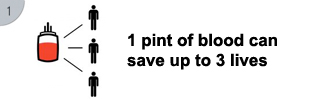
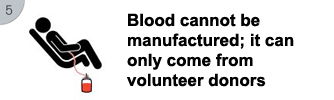
The need of blood is constant. The gratification is instant and reward in the life hereafter is also there but the bitter side of the fact is that we are not good in donating blood. At large we can’t manage 1 hour in 2 months time to schedule blood donation and we don’t bother much to give (approximately 0.6 lit) half liter of blood which can save up to 3 lives. But there is constant need of blood supply and our contribution is important for a healthy and reliable blood supply. The thought of being able to help save three people’s lives every time you donate blood, makes you feel like a better person.

Most importantly before donating blood everyone should know that there exists an eligibility criteria! Our this post will help you to understand what to be considered before donating blood.

Should I consider anything before donating blood?

Yes, there is eligibility criteria for donating blood. Personally we ourselves should know it in detail and obviously (honest) healthcare professionals will look for the prerequisite before bleeding you.

Eligibility Criteria for Blood Donations:

To ensure the safety of blood donation for both donors and recipients, all volunteer blood donors must be evaluated (physically and medically by healthcare professionals) to determine their eligibility to give blood.

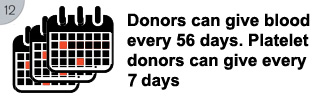
You must be healthy, should carry 150 lbs weight and at least 17 years old to donate to the general blood supply, or 16 years old with parental/guardian consent. There is no upper age limit for blood donation as long as you are well with no restrictions or limitations to your activities.

NOTE: Healthy means that you feel well and can perform normal activities. If you have a chronic condition such as diabetes, healthy also means that you are being treated and the condition is under control. This is healthcare professionals job and they hold confidential interview to get the answers to their questions to take their decision and declare eligibility criteria met or not.

Other aspects of each potential donor’s health history are discussed as part of the donation process before any blood is collected. Each donor receives a brief examination during which temperature, pulse, blood pressure and hemoglobin (or hematocrit) are measured.

Do I need something special to do before donating blood?

NO, nothing special or mandatory to do but still there are some recommendations to do in a day you waned to donate.

– Be sure to drink plenty of fluids the day of your donation.

– Wear clothing with sleeves that can easily be rolled up above the elbow.

– If possible, include iron-rich foods in your diet, especially in the weeks before your donation.

– Bring along a friend/family member, so that you may both enjoy the benefits of giving blood or inspire other to get ready for his/her turn to donate for good cause.

– Blood donation is a simple and very safe procedure so there is nothing to worry about.

How can I make sure my own safety is not violated?

It is not possible to get AIDS or other infectious disease by giving blood, if you make sure below process is followed.
A brand new, sterile, disposable needle is used for blood donation.

You can only donate if your health history permits and you feel well. You are asked general health questions and are given a mini physical – temperature, pulse, blood pressure and hemoglobin are checked – prior to donation to ensure that you are feeling well and that it is safe for you to give blood. Your health history and test results (take your medical record with you) are confidential and cannot be shared without your permission, except as required by law.

Feeling faint or fatigued after donating blood is uncommon.
If it occurs, it most likely will pass in a matter of hours. Most donors feel fine before and after donating, but a small number of people may have a lightheaded or dizzy feeling. If you feel faint, stop what you are doing and lie down until you feel better.

You can help ensure your experience is a positive and rewarding one.
Stay in the refreshment area for the recommended period of time; mention to the staff any unusual feelings or sensations; continue to hydrate throughout the day and avoid strenuous exercise or heavy lifting on the day of donation.

Note: There are more requirements to be considered typically your general health condition, prescription of medicines, vaccination, medical conditions etc etc.

To Y(OUR) & Nation’s Health and Safety,

Faisal Javed Mir & First Aid to Save a Life Pakistan

Did you like the post? Let’s get connected on FacebookLinkedInTwitter & YouTube.

You might also like:

Posted in Blood Donation, medicine information | Tagged , , , , , , , , , , , , , , , , , , , , , , , , , , , , | Leave a comment